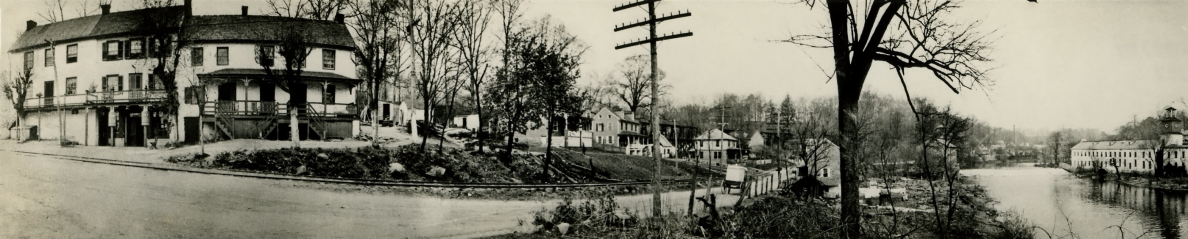
A Brief History of Alcohol Regulation In Delaware

From the earliest times when there was a ‘Delaware,’ certain aspects of liquor manufacture, distribution and use were regulated, sometimes highly so, other times, not so much.

In the mid-17th century, when the Dutch and the Swedes were contesting ownership of the new land, the regulation of alcoholic liquors bobbed back and forth between the two sides and, eventually, to a third side, the English.

When the Dutch controlled the land, and thus the laws, officials appointed by the Director of the private landowner, such as the Dutch East Indies Company, regulated the traffic. However, there was not much to regulate, as the Dutch settlements were fairly poor and relied on New Amsterdam (New York) for their supplies. In the Swedish-controlled areas, there were active viniculture works “from which the people make delightful wine year after year.” Unlike the Dutch, the Swedes had a fairly liberal policy of regulation: lower taxes, no outlandish duties1. Beyond the usual police regulations to prevent disorder, to punish drunkenness and to keep an eye on traffic with the native population, there wasn’t much overt regulation of the liquor industry.
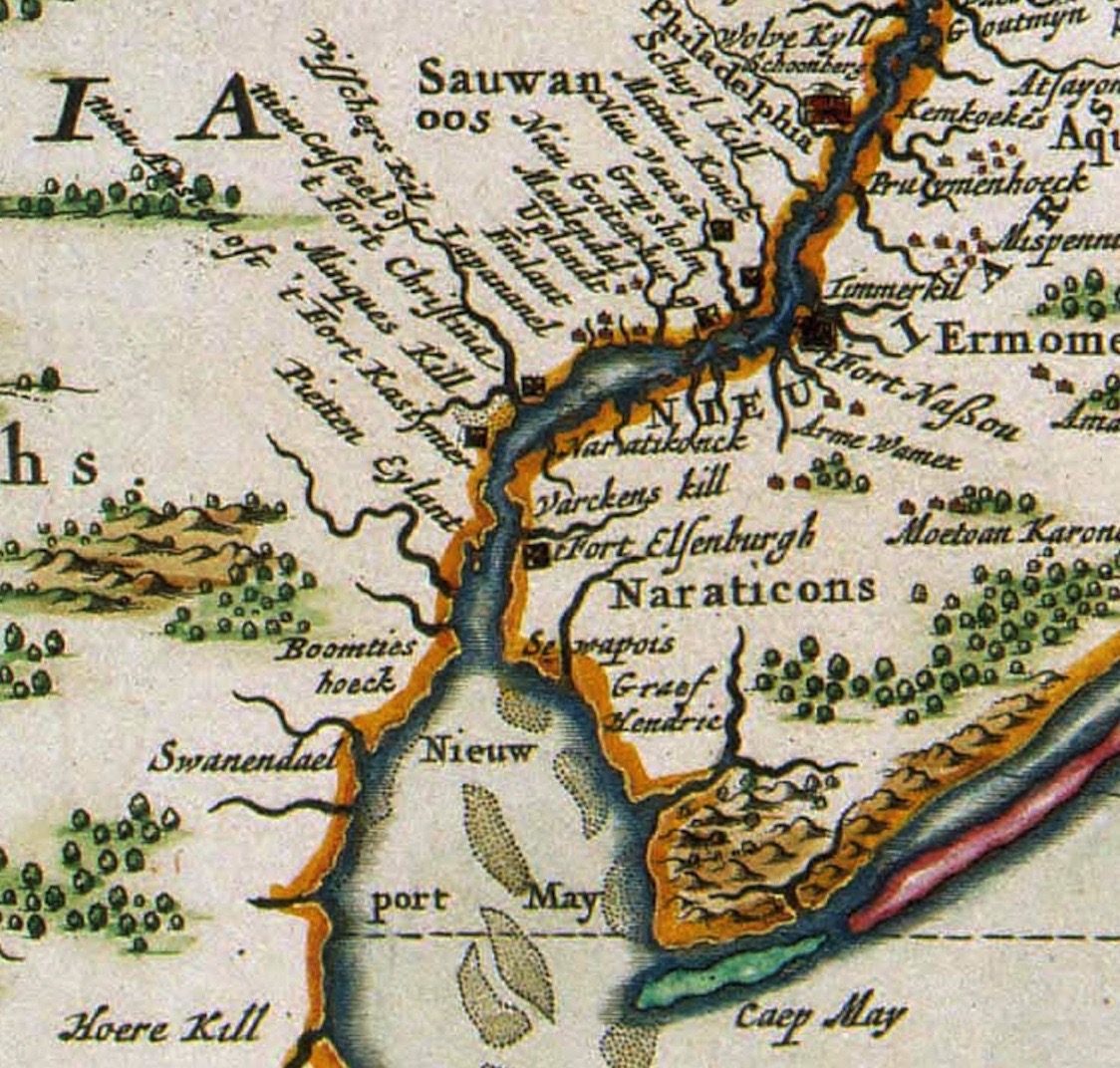
Portion of a New Netherland map published by Nicolaes Visscher II (1649–1702), Showing Fort Casimir and Fort Christina
Continue reading “A Brief History of Alcohol Regulation In Delaware”

Early Taverns in America

Whoe’er has traveled life’s dull round,

Where’er his stages have been found,

May sigh to think he still has found

His warmest welcome at an inn

Cherubimical, nimptopsical, oxycrocium. No, you haven’t found the judge’s list for the next round of the spelling bee. Nor have you come across the medical profession’s cheat sheet for the newest bout of pandemic illnesses.

This trio of nonsensical words is among the 228 “round-about” words or phrases for drunkenness that Ben Franklin published in The Pennsylvania Gazette in the winter of 1737.1 America’s founders were “anguished and perplexed” about alcohol.2 Their anguish and perplexity didn’t keep them from drinking spiritous liquors, however. John Adams is said to have enjoyed a tankard of hard cider for breakfast. Thomas Jefferson invented the presidential cocktail, according to Rorabaugh, who adds that the Founding Fathers feared that America would be destroyed in a flood of alcohol.

The first glass, he said,was for health, the second for taste, and the third forsleep; any more after that might serve as recreation. Image courtesy of Wikimedia Commons.
The first glass, he said, was for health, the second for taste, and the third for sleep; any more after that might serve as recreation.
Image courtesy of Wikimedia Commons.
Continue reading “Early Taverns in America”