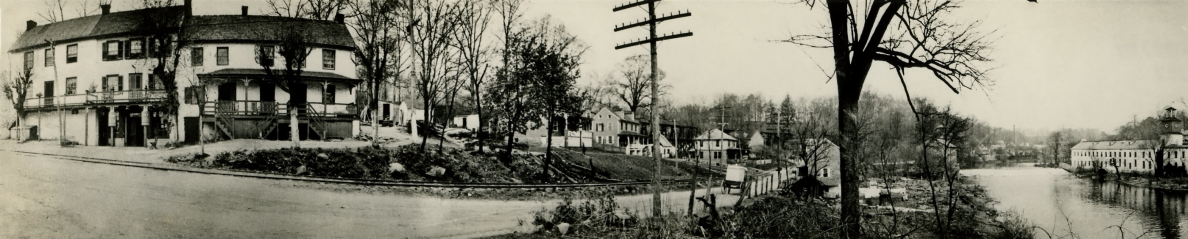
From the earliest times when there was a ‘Delaware,’ certain aspects of liquor manufacture, distribution and use were regulated, sometimes highly so, other times, not so much.
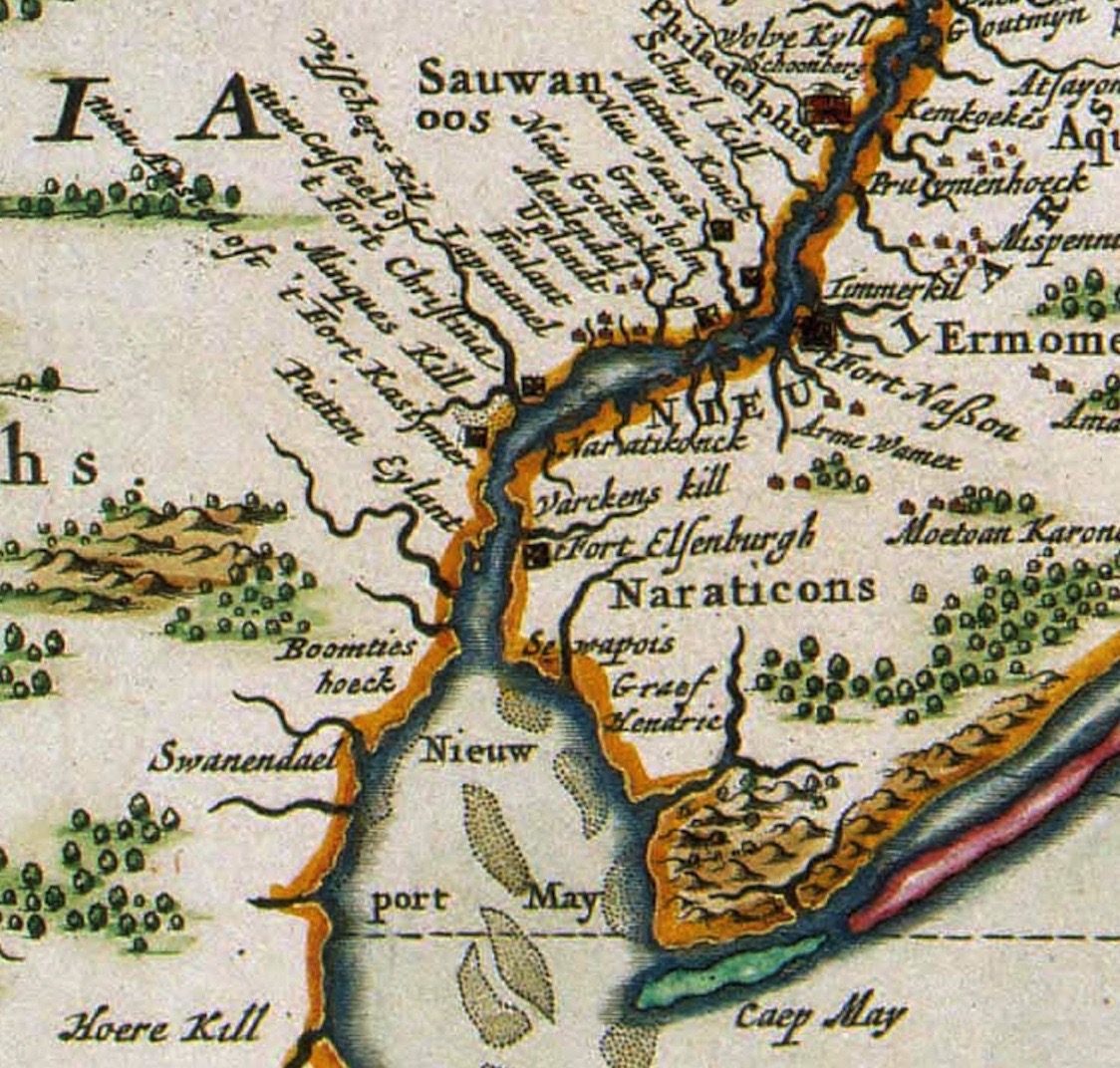
In the mid-17th century, when the Dutch and the Swedes were contesting ownership of the new land, the regulation of alcoholic liquors bobbed back and forth between the two sides and, eventually, to a third side, the English.
When the Dutch controlled the land, and thus the laws, officials appointed by the Director of the private landowner, such as the Dutch East Indies Company, regulated the traffic. However, there was not much to regulate, as the Dutch settlements were fairly poor and relied on New Amsterdam (New York) for their supplies. In the Swedish-controlled areas, there were active viniculture works “from which the people make delightful wine year after year.” Unlike the Dutch, the Swedes had a fairly liberal policy of regulation: lower taxes, no outlandish duties1. Beyond the usual police regulations to prevent disorder, to punish drunkenness and to keep an eye on traffic with the native population, there wasn’t much overt regulation of the liquor industry.
 Brandywine Banks