From the earliest times when there was a ‘Delaware,’ certain aspects of liquor manufacture, distribution and use were regulated, sometimes highly so, other times, not so much.
In the mid-17th century, when the Dutch and the Swedes were contesting ownership of the new land, the regulation of alcoholic liquors bobbed back and forth between the two sides and, eventually, to a third side, the English.
When the Dutch controlled the land, and thus the laws, officials appointed by the Director of the private landowner, such as the Dutch East Indies Company, regulated the traffic. However, there was not much to regulate, as the Dutch settlements were fairly poor and relied on New Amsterdam (New York) for their supplies. In the Swedish-controlled areas, there were active viniculture works “from which the people make delightful wine year after year.” Unlike the Dutch, the Swedes had a fairly liberal policy of regulation: lower taxes, no outlandish duties1. Beyond the usual police regulations to prevent disorder, to punish drunkenness and to keep an eye on traffic with the native population, there wasn’t much overt regulation of the liquor industry.
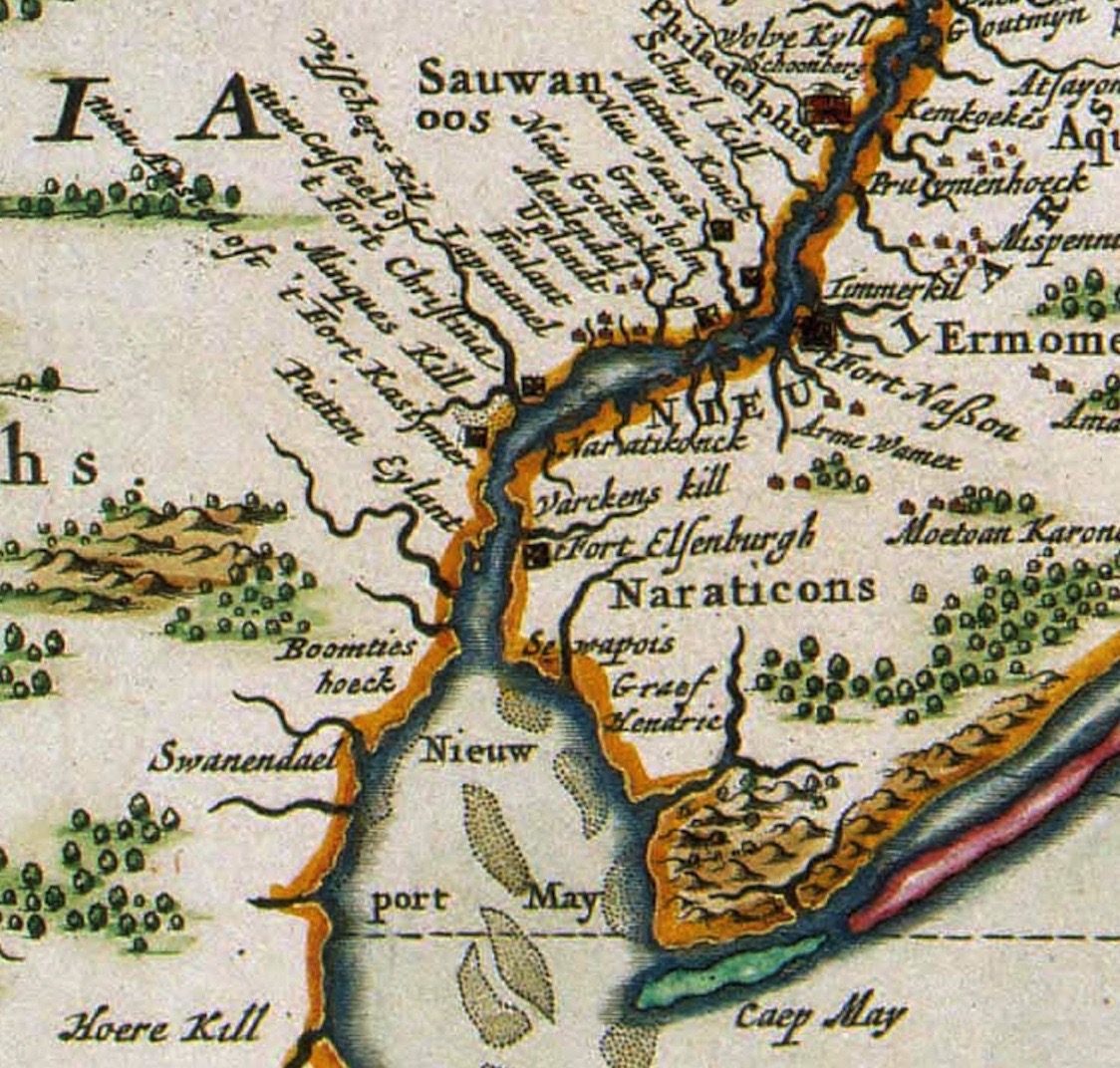
Stuyvesant named John Paul Jacquet the vice-director of the Delaware and bade him to govern under regulations then in effect in New Netherlands. Jacquet imposed liquor taxes and also imposed import duties on alcoholic beverages. When Jacquest was succeeded by Jacob Alrichs, the latter recommended additional excise taxes in an effort to reduce the number of disorders caused by the consumption of alcoholic drinks and not necessarily to increase revenues.
Aldrichs was, in turn, succeeded by D’Hinojossa who apparently allowed liquor to be sold to the native population. And that’s not all: he granted a monopoly of the trade to the native population that enhanced his own monetary interests, allowing the Indians to rob anyone else bringing them alcohol. He also established a brewery in a government building and, when short of fuel for brewing, used the palisades of the fort for that purpose.
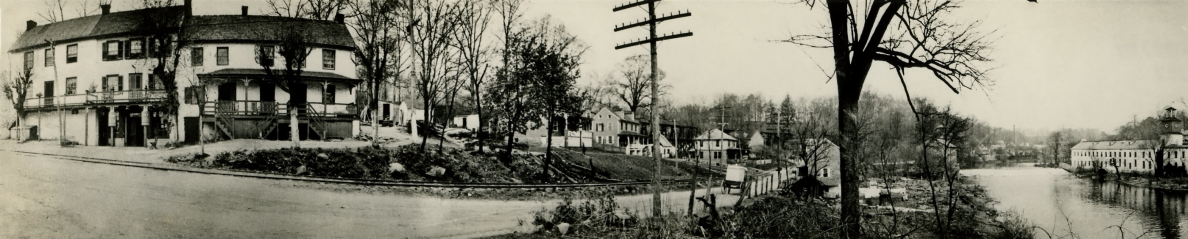
During the 18th century, laws required that owners of public houses petition the Court of General Sessions for a recommendation to be sent to the Governor requesting the issuance of a license. Therefore, if a case revolved around someone selling liquor without a tavern license, it was heard in the Court of General Sessions.
For a brief period at the start of the Civil War, probably due to the influx of such cases, petty crimes like assault and most intoxication cases were handled by the Courts of Quarter Sessions, which met every three months. This experiment lasted but two years when the Quarter Sessions courts were abolished, cases dealing with liquor law violations reverting to the General Sessions.
By 1873, a person who wanted to sell intoxicating liquors had to apply to the court, stating where they were going to establish the location for sales, and had to have the signatures of a dozen local upstanding citizens who could vouch for the potential owners’ sobriety and standing in the community. At times, there were as many as 150 such tavern applications advertised in the various Wilmington newspapers.
Some of those 150 were turned down by the courts, perhaps for want of a sober proprietor, perhaps a particular geographic area was inundated already with sellers of intoxicating beverages or perhaps for purely political reasons. Whatever the case, there were many, many taverns, inns, and public houses in Wilmington and surrounding areas during the mid- to late-19th century.
- Thomann, G. (Gallus). Colonial Liquor Laws: Part II. of “Liquor Laws of the United States; Their Spirit And Effect.”. New York: The United States Brewers’ Association, 1887. ↩


Cool post. I especially like the map with the original Dutch names!
LikeLike